
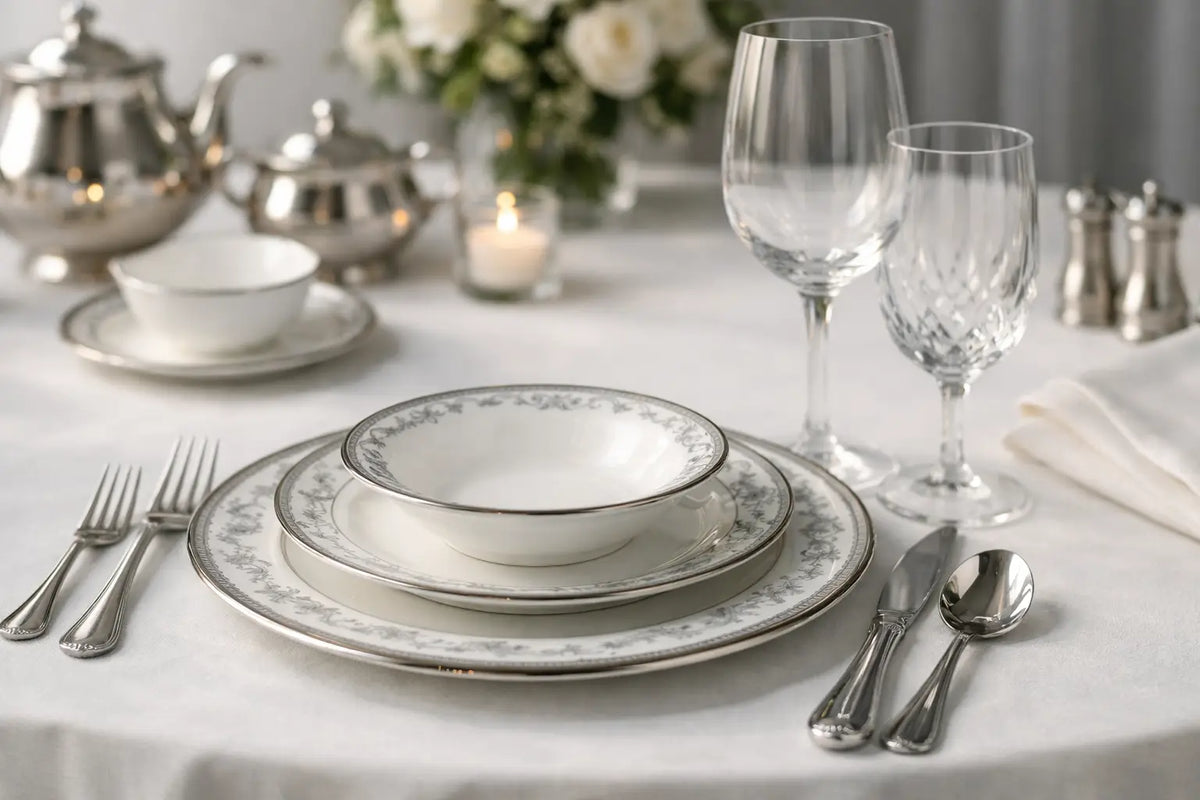
A well-chosen dinner plate changes more than the appearance of a meal. It frames the food, sets the mood for guests, and makes everyday rituals feel considered. This Noritake place setting review looks at why the brand remains a favorite for homeowners, wedding registries, and anyone building a table that feels polished without being overly precious.
Noritake has spent more than a century refining dinnerware for real homes and formal occasions alike. Its place settings are known for balanced proportions, graceful patterns, and materials that suit modern entertaining. The right collection can move easily from a quiet weekday dinner to a holiday table with family, but the best choice depends on how you cook, serve, store, and care for your dishes.
What a Noritake Place Setting Typically Includes
A traditional Noritake place setting is designed to give each guest the essentials for a complete meal. In many collections, that means a dinner plate, salad or dessert plate, soup or cereal bowl, and mug or cup. Some patterns are offered as five-piece settings with a teacup and saucer, which is especially appealing for formal dining or hosts who enjoy serving coffee and tea after a meal.
The appeal is not simply the number of pieces. Noritake designs each item to work together in scale and decoration. The dinner plate offers a generous surface without overwhelming the table, while bowls and smaller plates usually nest neatly for easier cabinet storage. This coordinated approach gives a table an intentional finish, even when the meal itself is simple.
Before choosing a set, check the exact piece count. A four-piece setting may be ideal for casual households that use mugs every morning, while a five-piece setting better suits a traditional dining room or a wedding gift. Open-stock pieces can also be helpful when a household needs extra bowls, replacement plates, or place settings for holiday guests.
Noritake Place Setting Review: Materials and Everyday Performance
Noritake is widely associated with fine china and porcelain dinnerware, though the material varies by collection. Bone china is valued for its light feel, subtle translucence, and refined appearance. Porcelain and stoneware-inspired options often provide a slightly more substantial feel that works beautifully for everyday service.
The practical advantage is that many contemporary Noritake patterns are made for regular use rather than display-only cabinets. Depending on the collection and its decorative details, pieces may be dishwasher safe, microwave safe, or both. That convenience matters for busy households. Beautiful dishes are more likely to become part of family life when cleanup does not require a separate routine.
There is a trade-off. Fine bone china feels remarkably elegant in the hand, but it deserves thoughtful handling and can be less forgiving than heavier casual dinnerware. Gold or platinum banding also changes the care equation. Metallic accents create a formal, luminous table, yet they generally should not go in the microwave and may call for gentler dishwasher use. Always follow the care guidance for the specific pattern rather than assuming every Noritake setting has the same requirements.
For many buyers, white porcelain or a softly detailed pattern offers the most flexible balance. It looks elevated for entertaining, coordinates with seasonal linens and serving pieces, and remains easy to use throughout the week. A more ornate border, floral motif, or metallic rim is an excellent choice when the goal is a memorable formal table or an heirloom-quality gift.
Design That Works Beyond One Occasion
Noritake’s strength is its range. Some collections favor crisp white surfaces and clean silhouettes, while others feature delicate florals, textured rims, geometric borders, or traditional metallic detailing. This allows shoppers to choose a setting that reflects the home rather than following a single definition of formal dinnerware.
For a contemporary dining space, a white-on-white embossed pattern or a clean platinum-accented rim can feel refined without competing with modern glassware and flatware. For a more traditional home, a floral or gold-rimmed setting brings warmth and ceremony to anniversaries, Easter brunches, Thanksgiving dinners, and family celebrations.
Pattern scale deserves attention. A broad border can make a dinner plate feel especially formal and provides a beautiful frame for plated meals, but it may leave less open surface for food. Minimal designs offer more flexibility for daily use and make it easier to mix in colorful serving bowls, chargers, or decorative linens. Neither approach is better. It depends on whether you want dinnerware to be the statement or the foundation for the rest of the table.
One lasting advantage of Noritake is that many designs have enough presence to stand on their own while still pairing well with other established tabletop brands. A classic white setting can sit comfortably beside crystal stemware, polished flatware, and a formal centerpiece without making the table feel crowded.
Is Noritake Worth the Price?
Noritake place settings are positioned above basic department-store dinnerware, and the value is most apparent in the details: consistent finishing, considered proportions, enduring patterns, and the ability to expand a collection over time. For newlyweds, first-time homeowners, and established hosts replacing mismatched dishes, that long-term usefulness can justify a higher initial investment.
The brand is especially worthwhile for shoppers who want one collection to cover both everyday meals and occasions that call for a more dressed-up table. Instead of owning separate casual and formal sets, many households choose a versatile Noritake pattern and elevate it with chargers, cloth napkins, candleholders, or crystal when guests arrive.
That said, a premium place setting is not the best fit for every kitchen. If dishes see rough treatment from young children, frequent outdoor dining, or crowded shared cabinets, a more durable everyday set may be the sensible first purchase. Noritake works best when it is chosen with a realistic view of the household, not only an image of a holiday table.
A useful buying approach is to start with service for four or eight, then add matching pieces as your entertaining needs grow. This spreads out the investment and lets you live with the size, weight, and care requirements before committing to a larger service. It also makes a place setting an especially thoughtful engagement, wedding, anniversary, or housewarming gift because it can become part of a growing collection.
Choosing the Right Collection for Your Table
Begin with your most common meal, not your most elaborate one. If you regularly serve pasta, grain bowls, or soups, look closely at bowl depth and diameter. If you prefer plated dinners and weekend entertaining, a generous dinner plate with a defined rim may be more appealing. For coffee and tea drinkers, decide whether a mug or a cup-and-saucer service will actually be used.
Next, consider the rest of the table. Silver-toned flatware and clear stemware work with almost every Noritake pattern. Gold flatware can amplify a warm metallic border, while colorful glassware may be more at home with plain white or subtly textured china. Take note of cabinet shelf height as well, particularly if you are considering large coupe plates or taller cups.
For shoppers building a wedding registry or selecting a milestone gift, timelessness is often the safest route. A classic white set, restrained border, or soft neutral pattern gives the recipient room to change décor over the years. A bolder design can be equally meaningful when it clearly suits the recipient’s taste and entertaining style.
Royal Gift’s selection of recognized tabletop brands makes it easier to compare formal and everyday options in one place, especially when you are coordinating dinnerware with stemware, flatware, and serving pieces for a complete presentation.
Care Tips That Preserve the Finish
Good dinnerware lasts longer when it is treated as part of the meal, not an afterthought once plates are cleared. Avoid stacking pieces roughly in the sink, and use felt or soft separators for long-term storage if cabinet space is tight. When hand-washing fine china, use a mild detergent and avoid abrasive scrubbers that can dull a glazed surface or decorative edge.
If your chosen collection is dishwasher safe, give pieces enough space that they will not knock together during the cycle. Avoid sudden temperature changes, such as moving a chilled plate directly into a hot oven, unless the manufacturer specifically indicates that it is oven safe. With metallic-rimmed pieces, keep microwaves out of the routine altogether.
The most satisfying Noritake place setting is one you will use often. Choose a pattern that makes Tuesday night takeout look a little more inviting, then let it take its rightful place at birthdays, holiday dinners, and the celebrations still ahead.