
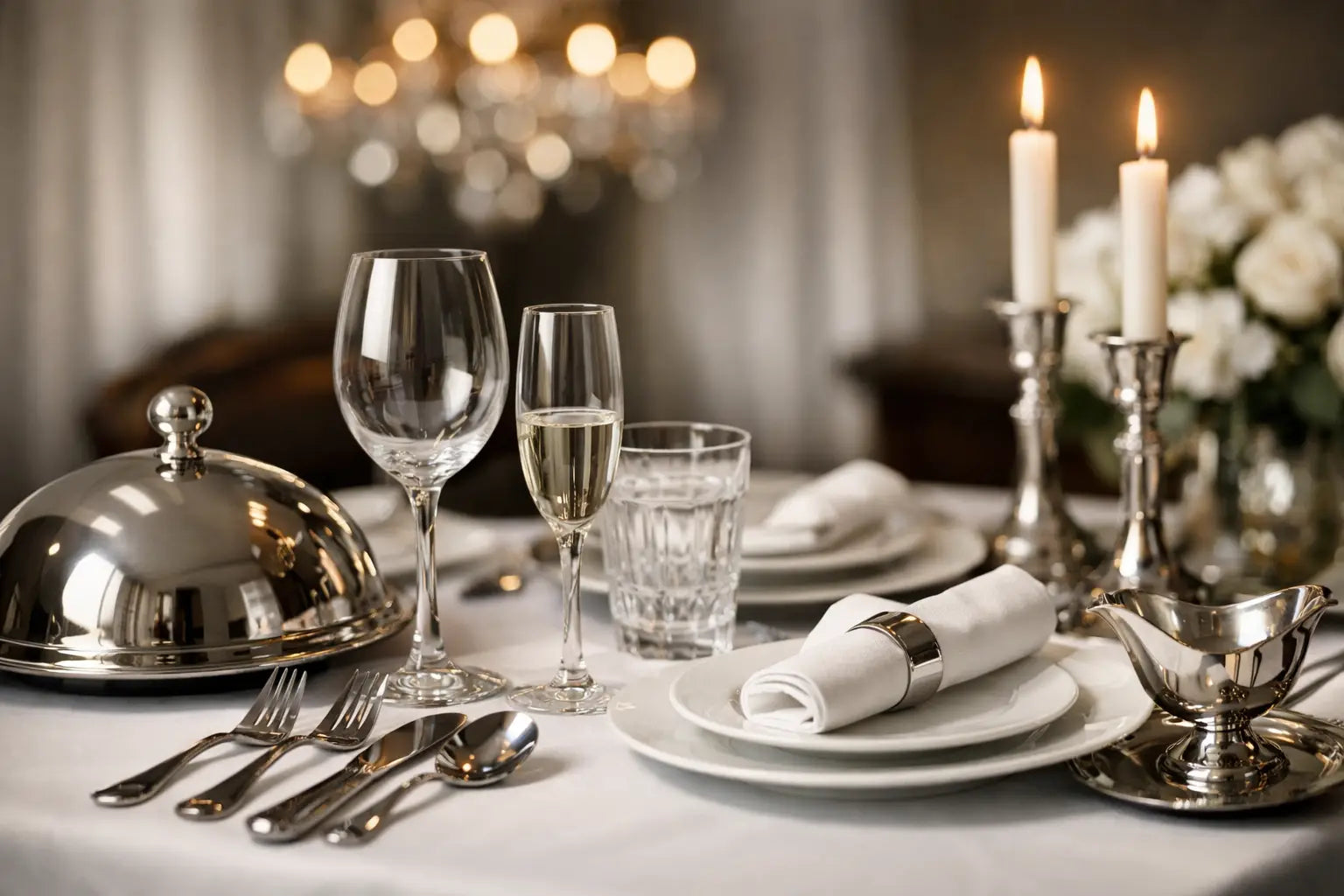
A beautifully set table does more than hold a meal. It tells guests that the occasion matters, whether you are hosting a holiday dinner, celebrating an engagement, or bringing family together for Sunday supper. This guide to formal dining pieces will help you select the essentials with confidence, so your table feels considered, welcoming, and ready for memorable occasions.
Start With the Pieces You Will Use Most
Formal dining does not require purchasing every specialty item at once. The most useful collection begins with a strong everyday-formal foundation: dinner plates, salad or dessert plates, bowls, flatware, and proper glassware. From there, you can add serving pieces that suit the way you entertain.
A complete dinnerware setting is usually built around a dinner plate, salad plate, bread-and-butter plate, cup and saucer, and bowl. Some collections include a pasta bowl or soup plate as well. For a household that hosts regularly, place settings for eight to twelve guests offer flexibility without leaving the table looking mismatched. A smaller setting for four or six can be the right starting point for newlyweds, first homes, and intimate dining rooms.
Choose a pattern you will be pleased to bring out for more than one occasion. Classic white dinnerware is exceptionally versatile because it works with every season, centerpiece, and table linen. A delicate band of gold or platinum adds ceremony, while floral and richly patterned china creates a more traditional presentation. Heritage names such as Noritake, Lenox, Wedgwood, Royal Albert, and Royal Doulton are especially appealing when you want a pattern with lasting presence.
A Guide to Formal Dining Pieces by Category
Dinnerware: the foundation of the table
Dinnerware establishes the visual character of the place setting. Fine china and bone china are popular for formal use because they have a refined finish, balanced weight, and luminous look. Porcelain offers a similarly polished appearance and can be a practical choice for households that want elegant tableware with easier day-to-day care.
When comparing patterns, look beyond the dinner plate. Ask whether matching serving bowls, platters, gravy boats, sugar bowls, and creamers are available. A collection with coordinated pieces lets you build a polished table over time rather than settling for unrelated additions later.
Metallic details deserve a practical consideration. Gold- or platinum-banded dinnerware often calls for gentler care and may not be microwave-safe. That trade-off is worthwhile for many hosts who reserve these pieces for holidays, anniversaries, and formal celebrations. If your collection will see frequent weekday use, a dishwasher-safe, microwave-safe pattern may be the better fit.
Flatware: polished, balanced, and appropriate
Flatware should feel substantial in the hand and look proportionate beside your dinnerware. For most formal tables, a five-piece place setting includes a dinner fork, salad fork, dinner knife, soup spoon, and teaspoon. If you serve steak, seafood, or dessert courses often, individual specialty utensils can be added as needed.
Stainless steel is the dependable choice for a busy home. Look for quality construction, a finish that complements your china, and a handle shape that feels comfortable rather than overly ornate. Traditional patterns with scrollwork or detailed handles pair beautifully with classic china, while clean, tailored flatware is a natural match for contemporary white dinnerware.
A formal place setting is less about displaying every utensil you own and more about setting only what the menu requires. Place forks to the left of the plate, knives and spoons to the right, and arrange them in order of use from the outside in. This simple approach keeps the table gracious rather than crowded.
Glassware: choose by beverage and occasion
Crystal and quality stemware bring light, height, and celebration to a formal table. At minimum, a versatile set includes water goblets and wine glasses. If you entertain with both red and white wine, separate glasses can enhance the experience, since a red wine bowl is generally larger and a white wine glass is more compact.
For milestone dinners, sparkling wine flutes or coupes create an immediate sense of occasion. A decanter can also be a thoughtful addition for wine lovers, though it is not essential for every host. The right glassware depends on what you genuinely serve. A household that enjoys wine with dinner may prioritize stemware, while one that hosts brunches and tea gatherings may find elegant juice glasses and teacups more useful.
When choosing crystal, consider storage and care. Delicate stems are beautiful but require space and attention. Stemless glasses are easier to manage, although traditional stemware remains the more formal choice for a seated dinner. A few exceptional crystal pieces can make as much impact as a large collection, particularly when paired with well-chosen dinnerware.
Serveware: where hospitality becomes visible
Serveware is what allows the meal to arrive at the table with the same care as the place settings. A large oval or round platter is ideal for roasts, turkey, fish, or arranged appetizers. Serving bowls handle vegetables, salads, pasta, and side dishes, while a gravy boat, covered vegetable dish, or cake stand adds function with a finishing touch.
Select serveware in a scale that fits your dining table and your usual guest count. Oversized platters can be dramatic, but they are not always practical in a smaller dining room. If space is limited, begin with one versatile platter, two serving bowls, and serving utensils that coordinate with your flatware. These pieces will cover a surprising range of meals.
Matching every piece is classic, but not mandatory. White serving bowls can blend with almost any dinnerware, and crystal serving pieces can add contrast without competing with the pattern. The key is repetition: echo one element, such as a metallic rim, soft floral detail, or clean white finish, to make mixed pieces feel intentional.
Build a Formal Collection in the Right Order
For couples creating a wedding registry or homeowners refreshing a dining room, it helps to invest according to use. Start with dinnerware and flatware, then add glassware and serveware. Decorative accessories can wait until the core pieces are covered.
A thoughtful collection may grow through wedding gifts, anniversaries, holiday sales, and meaningful family milestones. That is part of its appeal. Formal dining pieces are not disposable purchases. A well-selected pattern can become the setting for birthdays, graduations, first holiday meals in a new home, and gatherings that deserve more than everyday plates.
If you are shopping for a gift, consider what is already established in the recipient's home. A set of champagne flutes, a crystal bowl, a serving platter, or a pair of elegant candlesticks can be easier to gift than a full place setting. For newlyweds, however, a classic dinnerware or flatware set offers a practical beginning with enduring value.
Set the Table Without Making It Feel Stiff
Formal does not have to mean fussy. Begin with a clean tablecloth or placemats, center the dinner plate, and layer the salad plate only when that course is being served. Place the napkin neatly at the left or on the plate. Glassware belongs above the knives, with the water glass closest to the setting.
Keep the centerpiece low enough for conversation. Fresh flowers, taper candles, or a simple crystal bowl filled with seasonal fruit can look more elegant than an arrangement that blocks sightlines. Use color with restraint: a neutral table can be warmed with linen napkins, seasonal greenery, or one beautiful serving piece.
Royal Gift makes it easy to bring recognized tabletop brands and gift-worthy presentation into one coordinated shopping experience. Whether your preference is timeless bone china, brilliant crystal, or polished stainless steel, choose pieces that support the occasions you want to host.
The best formal table is not the one with the most pieces. It is the one that makes guests feel anticipated, cared for, and glad they accepted the invitation.