
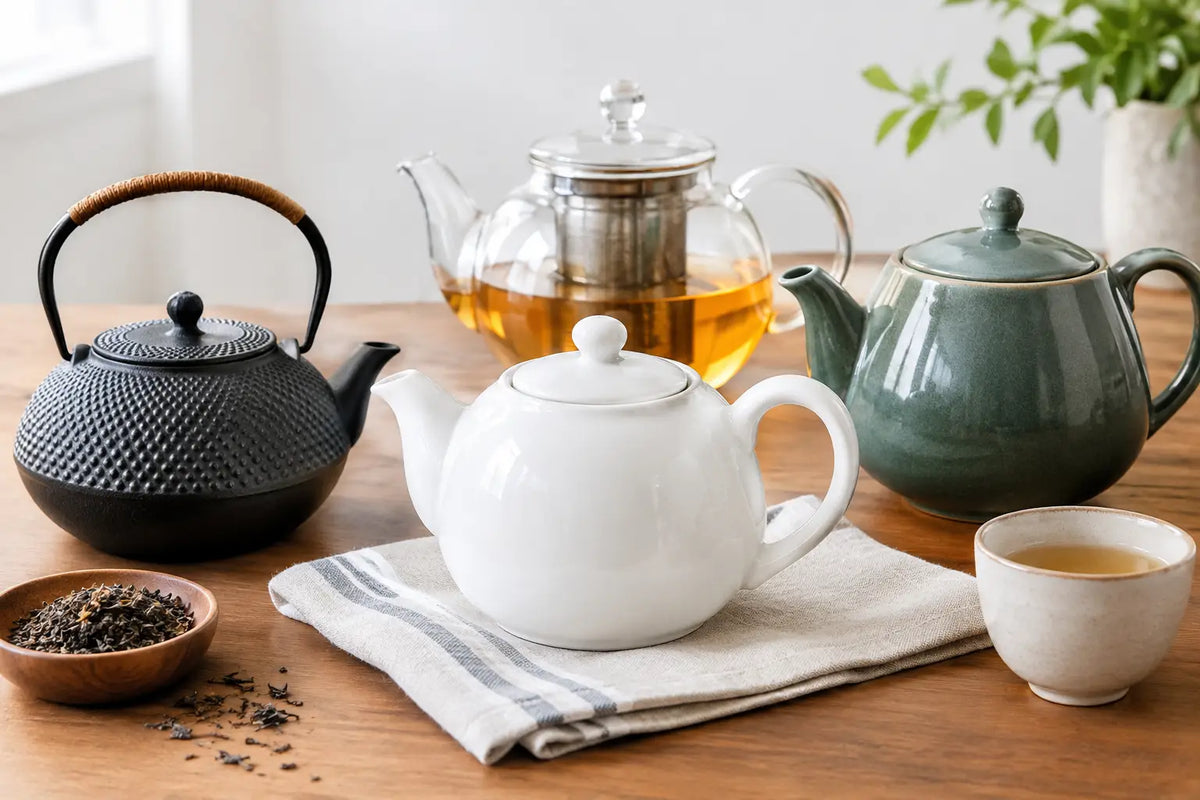
A teapot does more than pour tea. It sets the pace for a breakfast with family, gives afternoon tea its sense of occasion, and turns a simple dessert course into a gracious gathering. The best teapots balance beauty with the details that make serving pleasant: a comfortable handle, a clean pour, enough capacity for your guests, and a design that belongs on your table.
For a wedding gift, a first formal table setting, or an upgrade from an everyday kettle-to-mug routine, the right choice depends on how you entertain. A delicate floral porcelain pot may be perfect for a bridal shower, while a generous stoneware design will earn its place at weekend brunch. Start with the way you plan to use it, then choose a material and silhouette that make every cup feel considered.
What Makes the Best Teapots Worth Bringing Out?
A fine teapot should feel as good in the hand as it looks on a tray. The lid should sit securely without being difficult to lift, the handle should leave room for your fingers, and the spout should direct tea into the cup instead of down its side. These practical details are easy to overlook in a photograph, but they decide whether a pot becomes a favorite or stays in the cabinet.
Capacity deserves equal attention. A two-cup teapot is lovely for a quiet morning or an intimate conversation, but it may require repeated refills when guests are seated. For most households, a pot holding four to six cups offers the most flexible balance. It is large enough for a small gathering yet not so heavy that serving becomes awkward.
Consider the style of tea you drink as well. Black teas and herbal blends are forgiving in almost any quality pot. Green and white teas benefit from water that does not continue to overheat them, so a smaller pot with more frequent pours can be the better choice. If you brew loose tea, look for a removable infuser with ample room for leaves to expand.
Choose a Teapot Material for Your Table
The material shapes both the visual character of a teapot and the experience of using it. There is no single perfect option. A formal hostess may prefer porcelain, while a busy family may appreciate the resilience of stoneware.
- Porcelain and bone china bring a refined, luminous finish to tea service. They suit floral patterns, gold details, crisp white dinnerware, and traditional entertaining. Their smooth, nonporous surfaces are especially well suited to switching between different teas without retaining strong flavors.
- Stoneware offers a warmer, more relaxed look and often holds heat well. It works beautifully with casual dinnerware and everyday gatherings, though it can be heavier than porcelain when full.
- Glass lets guests admire blooming teas, amber oolong, and colorful herbal infusions. It brings a modern, light-filled look to the table, but it needs more careful handling and may not retain heat as long as ceramic.
- Cast iron is valued for heat retention and a distinctive, substantial presence. Many cast iron teapots are best used with an enamel interior and should be dried carefully after washing to protect their finish.
Why porcelain remains a classic
Porcelain earns its place at formal tea because it is elegant without being impractical. White porcelain makes the color of the tea easy to appreciate, while decorated patterns can tie together an entire dining collection. A classic round or gently fluted body also has a timeless quality that does not feel tied to a passing trend.
If your table includes gold-rimmed china or traditional crystal, a porcelain teapot with a graceful handle gives the setting a polished finish. For a more contemporary home, choose clean white porcelain or a subtle textured glaze. The form is traditional, but the presentation can be as classic or current as you prefer.
Find the Right Size and Shape
Teapot capacity is commonly listed in ounces, which can be more useful than a vague cup count. A 24-ounce pot generally serves two generous mugs or three to four teacups. A 40- to 48-ounce teapot is a practical choice for family tea or a small group of guests. Larger pots make sense for brunches, showers, and holiday entertaining, particularly when paired with a tea cozy to help maintain temperature.
Shape affects pouring and steeping. Rounded teapots give tea leaves room to circulate and often create a traditional look. Taller styles save space on a crowded tray, while wider pots can be easier to fill and clean. Before choosing a dramatic sculptural shape, consider where it will be stored and whether it fits comfortably beneath your cabinet shelves.
A well-designed spout should pour smoothly at a moderate angle. Very short spouts can make it difficult to empty the pot, while extremely narrow ones may drip. If possible, hold the pot before purchasing. The balance should feel natural when it is filled, not merely when it is empty.
Match Your Teapot to the Occasion
For everyday use, choose a piece you will not hesitate to reach for. A durable stoneware or simple porcelain teapot in a versatile neutral can move from weekday breakfast to a relaxed visit with friends. A removable infuser makes it easier to prepare loose-leaf tea without additional tools.
For formal entertaining, look for details that coordinate with your existing tableware. A botanical pattern can echo spring linens and garden parties. A white-and-gold teapot complements traditional place settings, while a deep jewel tone creates a memorable holiday table. The most successful formal tea service feels coordinated, not overly matched, so consider repeating one or two elements such as metal finish, color, or motif.
For a wedding, anniversary, or housewarming gift, select a design with a sense of permanence. Recognized tabletop brands and classic patterns offer reassurance to gift buyers because they are made to be displayed, enjoyed, and remembered. A teapot can be meaningful on its own, but it becomes an especially generous presentation when paired with two cups and saucers or a complementary serving tray.
Royal Gift's selection of established tabletop brands makes it easier to choose a teapot that complements dinnerware, crystal, and gift-worthy accessories already being considered for the home.
Care Details That Protect a Fine Teapot
Always follow the maker's care guidance, especially for pieces with metallic trim or hand-applied decoration. Many gold- or platinum-accented porcelain teapots should be washed by hand and should not go in the microwave. A mild dish soap, warm water, and a soft cloth are usually all that is needed.
Avoid leaving tea sitting in the pot for long periods, particularly strong black tea, as it can create stains. Rinse the pot after each use and allow it to dry fully with the lid slightly ajar. If a tea stain develops inside white porcelain, a gentle paste made for delicate ceramics can help, but abrasive scouring pads are never worth the risk.
Do not judge a teapot only by whether it is dishwasher safe. A cherished patterned pot may be safer and more beautiful for years when washed by hand. Everyday convenience has value, but so does preserving a piece you intend to serve from during birthdays, holidays, and family milestones.
A Teapot Should Invite You to Use It
The best choice is not necessarily the largest, most ornate, or most expensive teapot. It is the one that suits your favorite tea, feels right in your hands, and makes you want to set out cups when someone stops by. Choose a piece with enough grace for a celebration and enough practicality to make an ordinary afternoon feel worth pausing for.